

Winter has always meant more than cold weather. Across cultures and centuries, people have looked at snow, fire, and silence and seen deeper messages hidden inside them.
These symbols show up in religion, folklore, art, and even our dreams. They carry themes of rest, renewal, endings, and quiet reflection.
This guide breaks down every major winter symbol, its spiritual meaning, and how different cultures interpret it. You will also find practical resources like copy-paste symbols, design assets, and dream meanings.
What Are Winter Symbols?
Winter symbols are images, objects, or natural elements that represent the qualities of the winter season. They include snow, ice, bare trees, fire, and long dark nights.
People use these symbols in stories, art, religious rituals, and everyday language. A snowflake might represent uniqueness. A bare tree might represent letting go.
Winter symbols are not random. They are built from centuries of observation about how nature behaves during the coldest months of the year.
See Also: Spiritual Symbols and Meanings
What Do Winter Symbols Represent?
Winter symbols generally represent three core ideas: rest, transformation, and reflection. Nature slows down, and so does human activity.
- Rest: hibernation, stillness, and the pause before new growth
- Transformation: water freezing into ice, then melting into spring
- Reflection: long nights that invite inward thinking
Each symbol carries its own shade of meaning, but most trace back to these themes. Snow softens the world. Fire brings warmth against the cold. Silence gives space to think.
Why Winter Symbols Matter Across Cultures
Every culture that experiences a cold season has developed its own winter symbolism. This is not a coincidence. Winter forces communities to slow down and adapt.
Ancient farming societies depended on understanding winter to survive. They tracked frost, snowfall, and the shortest day of the year to plan harvests and rituals.
Because of this shared struggle, winter symbols often overlap between unrelated cultures. Fire, light, and evergreen plants appear again and again as symbols of hope during darkness.
Spiritual Meaning of Winter Symbols
Winter symbols hold spiritual weight because winter itself feels like a spiritual season. Nature appears to die, yet life waits quietly beneath the surface.
Many spiritual traditions treat winter as a teacher. It shows that endings are not permanent and that rest is part of growth, not a failure of it.
This section explores what winter, cold, and fire mean spiritually, and how these ideas connect to inner transformation.
Spiritual Meaning of Winter
Spiritually, winter represents a pause rather than an ending. It is a season for turning inward and reviewing what no longer serves you.
Many traditions see winter as a time of purification. The cold strips away excess, just as fasting or meditation strips away distraction.
Winter also symbolizes patience. Seeds wait beneath frozen soil, trusting that spring will return, which mirrors the idea of faith during difficult periods.
What Does Winter Represent Spiritually?
On a spiritual level, winter represents death and rebirth working together. The old cycle ends so a new one can begin.
- A time to release old patterns and habits
- A season of inner stillness and quiet growth
- A reminder that darkness precedes new light
This is why winter solstice celebrations exist in so many belief systems. The darkest night is treated as the turning point toward returning light.
See Also: Cute Symbols & Emojis
Symbolic Meaning of Winter
Winter symbolizes the natural end of a cycle. Just as a year closes, winter closes a chapter before the fresh start of spring.
It also symbolizes conservation of energy. Trees stop growing, animals slow their metabolism, and humans naturally crave more rest and comfort.
This symbolic pause is often linked to wisdom. Older traditions viewed winter as the season of elders, representing accumulated experience and quiet authority.
Cold Symbolism
Cold is often linked to clarity and honesty. Unlike warmth, which can feel comforting or hazy, cold sharpens the senses and demands attention.
- Cold can symbolize emotional distance or isolation
- Cold can also symbolize mental clarity and focus
- Extreme cold often represents a test of endurance or willpower
In many stories, cold represents a trial the hero must survive. Passing through cold conditions often marks a turning point toward inner strength.
Fire as a Winter Spiritual Symbol
Fire stands in direct contrast to winter cold, making it one of the season’s most powerful symbols. It represents survival, warmth, and human resilience.
Spiritually, fire is linked to transformation. It converts fuel into light and heat, much like hardship can be converted into wisdom and strength.
Winter fire rituals, from solstice bonfires to candle lighting, symbolize hope. They remind people that light continues even during the darkest stretch of the year.
Snow Symbolism and Spiritual Meaning
Snow is perhaps the most recognized winter symbol. It transforms familiar landscapes into something quiet, soft, and new.
Its symbolism ranges from purity to isolation, depending on the cultural or personal lens applied to it.
This section breaks down what snow represents, both spiritually and emotionally, along with the unique meaning of individual snowflakes.
What Does Snow Symbolize?
Snow generally symbolizes purity, peace, and a fresh start. A snow-covered landscape looks clean and untouched, almost like a blank page.
- Purity: snow covers imperfections in the landscape
- Peace: falling snow creates a hushed, calm atmosphere
- Renewal: snowmelt feeds the ground for spring growth
Snow can also symbolize impermanence, since it melts away once conditions change, reminding us that stillness is temporary.
Spiritual Meaning of Snow
Spiritually, snow represents grace. It falls gently and covers everything equally, without judgment about what lies beneath it.
Many people connect snow to emotional cleansing. Watching snowfall can feel meditative, encouraging a sense of stillness and release.
Snow also represents protection. In nature, a snow layer insulates soil and roots from harsher cold, symbolizing quiet care during difficult seasons.
Snowflake Symbol Meaning
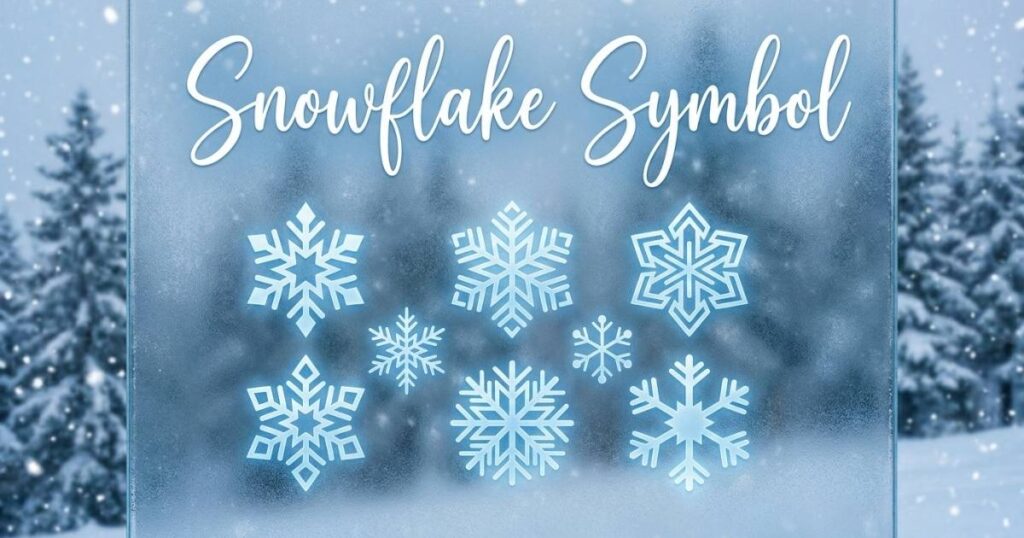
Each snowflake forms a unique crystal structure, which is why it is widely used as a symbol of individuality.
- Uniqueness: no two snowflakes share the exact same pattern
- Fragility: snowflakes are delicate and short-lived
- Balance: snowflakes have symmetrical, six-sided structures
This combination of uniqueness and fragility makes the snowflake a popular symbol in art, jewelry, and personal identity themes.
Snow and Personal Transformation
Snow is closely tied to personal transformation because it changes the appearance of everything it touches. A familiar street can look completely new.
This mirrors internal change. Just as snow covers old ground, personal growth often covers old habits with new, healthier patterns.
Snow melting into water for the following season also symbolizes that transformation is not the end. It becomes fuel for the next stage of growth.
See Also: Life Symbols
Silence and Stillness in Winter
Winter naturally quiets the world. Snow muffles sound, animals go into hibernation, and outdoor activity slows down significantly.
This silence is often treated as sacred. Many spiritual practices, including meditation and prayer, rely on quiet environments to encourage deeper focus.
Winter stillness gives people permission to slow their pace, reflect on the past year, and prepare mentally for what comes next.
Common Winter Symbols and Their Meanings
Beyond snow and fire, winter includes several other recognizable symbols. Each one carries its own layer of meaning.
The table below offers a quick reference before the detailed breakdown that follows.
| Symbol | Core Meaning |
| Snow | Purity, peace, renewal |
| Ice | Clarity, preservation, emotional distance |
| Bare Trees | Letting go, honesty, resilience |
| Cold Wind | Change, challenge, movement |
| Winter Night | Reflection, mystery, rest |
| Evergreen Trees | Endurance, hope, eternal life |
| Frost and Icicles | Fragility, transformation, beauty in hardship |
Snow
Snow symbolizes a fresh start. It covers the old landscape and offers a clean, quiet surface to build on.
It also represents equality, since snow falls evenly across every surface regardless of size or shape.
In colder climates, snow is tied to survival wisdom, as communities historically planned food and shelter around expected snowfall patterns.
Ice
Ice symbolizes clarity and preservation. Water becomes solid and visible, holding its shape until conditions change again.
- Clarity: ice is often clear, symbolizing sharp thinking
- Preservation: ice has historically been used to store food
- Emotional distance: ice can represent coldness in relationships
Ice also symbolizes patience, since it forms slowly and melts only when the right conditions return.
Bare Trees
Bare trees represent honesty and letting go. Without leaves, a tree shows its true structure, hiding nothing.
This symbol is often used to represent emotional vulnerability, since bare branches expose what is normally covered.
Bare trees also symbolize resilience. Despite losing their leaves, they survive harsh conditions and prepare quietly for spring regrowth.
Cold Wind
Cold wind symbolizes change and challenge. It moves quickly, shifts direction, and forces adaptation from anything in its path.
In folklore, wind is often treated as a messenger, carrying news or warnings from one place to another.
Cold wind can also symbolize clarity of thought, since sharp air tends to wake the senses and increase alertness.
Winter Night
Winter nights are longer than nights in any other season, making darkness a defining part of winter symbolism.
- Reflection: long nights encourage looking inward
- Mystery: darkness hides what daylight normally reveals
- Rest: extended night hours naturally encourage more sleep
Many solstice traditions center around the longest night of the year, treating it as a turning point rather than something to fear.
Evergreen Trees
Evergreen trees keep their green color throughout winter, making them one of the strongest symbols of endurance and hope.
Because they do not lose their leaves, evergreens have historically symbolized eternal life and continuity across many cultures.
This is why evergreen branches appear in winter decorations, ceremonies, and folklore, from ancient solstice rituals to modern holiday traditions.
Frost and Icicles
Frost forms delicate patterns on cold surfaces, symbolizing both fragility and unexpected beauty. It appears overnight and disappears with sunlight.
Icicles form slowly as water drips and refreezes, symbolizing patience and gradual transformation over time.
Both frost and icicles remind us that even harsh, cold conditions can produce intricate, beautiful results.
Winter Symbols Copy and Paste
Many people search for ready-to-use winter symbols for texting, social media, or design projects. This section provides simple copy and paste options.
Winter Symbols Copy and Paste
Here are common winter text symbols you can copy directly:
❄ ❆ ☃ ⛄ ☂ ☔ ⛅ ✧ ✨ ⛸
These symbols work well in captions, bios, or casual messages when emoji are not detailed enough.
Snowflake Text Symbols
Snowflake symbols are among the most requested winter text characters:
❄ ❅ ❆ ❇ ✳ ✴
These variations differ slightly in shape and thickness, so you can pick the one that best matches your design style.
Cute Winter Symbols
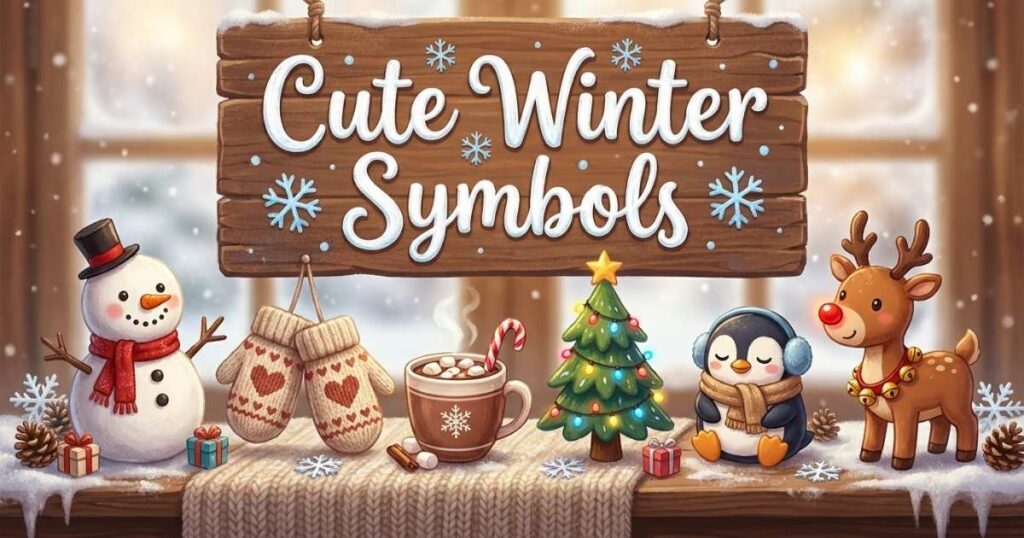
Cute winter symbols are often paired with soft, friendly text for a playful tone:
☃ ⛄ ❄ ⛸ 🧣 🧤
These are commonly used in greeting cards, social captions, and casual seasonal branding.
Cute Winter Emojis
Popular winter emojis include the following options for a warm, seasonal feel:
- ❄️ Snowflake
- ⛄ Snowman without snow
- ☃️ Snowman with snow
- 🧣 Scarf
- 🧤 Mittens
- 🔥 Fire
These emojis pair well together to create a cozy winter mood in short posts or messages.
See Also: 7+ Symbols of Virgo
Winter Emoji Combos
Combining emojis creates a stronger seasonal impression than using single icons alone.
- ❄️🔥 for contrast between cold and warmth
- ☃️🧣 for a cozy, playful tone
- 🌙❄️ for a quiet winter night feel
These combos are widely used in captions, greetings, and seasonal marketing content.
Simple Winter Symbols

For minimal design work, simpler symbols work better than detailed emoji.
❄ ✧ ○ ❍ ▽
These are ideal for clean, modern layouts where too much visual detail can distract from the main message.
Winter Symbols for Design and Creativity
Designers frequently search for winter symbols to use in branding, illustrations, and seasonal content. This section covers common formats and use cases.
Winter Symbols Aesthetic
A winter aesthetic typically combines soft blues, whites, and silvers with minimal, clean symbol shapes.
- Cool color palettes paired with simple line art
- Negative space used to represent snow or fog
- Soft gradients to mimic frosty light
This aesthetic works well for greeting cards, social media themes, and seasonal website design.
Winter Symbols PNG
PNG files are useful for design work because they support transparent backgrounds, making it easy to layer symbols over other content.
Common winter PNG assets include snowflakes, pine branches, mittens, and simple ice crystal shapes.
When searching for these files, look for high-resolution options to avoid pixelation when resizing for larger projects.
Winter Symbols Vector
Vector files, usually in SVG or AI format, allow winter symbols to be resized without losing quality.
This format is preferred for logos, printed materials, and any design that needs to scale across multiple sizes.
Vector snowflakes, trees, and icicle shapes are especially popular for professional seasonal branding.
Winter Symbols Clipart
Clipart offers a simpler, more casual style compared to vector graphics, often used for newsletters, printables, and classroom materials.
Common winter clipart includes snowmen, mittens, hot drinks, and simple tree illustrations.
Clipart is typically easier to use for beginners since it requires no advanced design software.
Winter Symbols Drawing Ideas
If you want to sketch winter symbols by hand, start with simple, recognizable shapes before adding detail.
- A single snowflake with six symmetrical points
- A bare tree silhouette against a plain background
- A small candle or fire symbolizing warmth in the cold
These simple drawing ideas work well for journaling, greeting cards, or beginner art practice.
Winter Symbols Across Different Cultures
Winter symbolism is not universal in exact meaning, though many common themes repeat across the world. This section compares how different cultures interpret winter.
Ancient Winter Symbols
Ancient cultures often built entire calendars around winter markers, especially the solstice, since accurate timing affected planting and survival.
Fire, animal hides, and stored grain were treated as protective symbols against the harshness of the season.
Many ancient monuments, including stone circles, were designed to align with the winter solstice sunrise or sunset.
Pagan Winter Symbols
Pagan traditions commonly used evergreen branches, candles, and wreaths to symbolize the continuation of life through the darkest months.
- Evergreens: symbols of endurance and eternal life
- Candles: symbols of returning light
- Wreaths: symbols of the endless cycle of seasons
Many of these symbols later influenced modern winter holiday traditions across different religions.
Celtic Winter Symbols
Celtic traditions placed strong importance on the winter solstice, often called Yule, marking the turning point toward longer days.
Holly and mistletoe were treated as sacred plants because they stayed green through winter, symbolizing protection and continued life.
Fire festivals were common, believed to encourage the sun’s return and ward off the harshness of the cold season.
Norse Winter Symbolism
In Norse tradition, winter was closely tied to survival and endurance, reflected in stories about long, harsh seasons.
The Yule log was burned as a symbol of light overcoming darkness, a tradition believed to have influenced later winter customs.
Wolves and cold winds also appeared frequently in Norse mythology, symbolizing challenges that tested strength and resilience.
Japanese Winter Symbols
Japanese winter symbolism often centers on quiet beauty rather than survival themes, reflecting a deep appreciation for seasonal change.
- Snow viewing, known as yukimi, celebrates the beauty of falling snow
- Camellia flowers symbolize quiet strength since they bloom in cold weather
- Winter poetry often focuses on stillness and simplicity
This reflects a broader cultural value placed on mindfulness and appreciating fleeting natural beauty.
Christian Winter Symbolism
In Christian tradition, winter overlaps with themes of hope and light, especially around the celebration of Christmas near the solstice.
Candles and light symbolize spiritual guidance during the darkest time of year, reinforcing themes of faith during hardship.
Evergreen trees and wreaths were later adopted into Christian practice, carrying forward older symbols of endurance and eternal life.
Winter Symbols Beyond Christmas
Winter symbolism existed long before modern holiday traditions and continues beyond them. This section separates winter symbols from purely festive associations.
Winter Symbols Not Related to Christmas
Not every winter symbol is tied to a specific holiday. Many represent the season itself, independent of religious or cultural celebrations.
- Bare trees represent the natural cycle of dormancy
- Frozen lakes represent stillness and patience
- Long nights represent rest and reflection
These symbols apply to anyone experiencing winter, regardless of which holidays they observe.
Seasonal Symbols of Winter
Seasonal winter symbols focus purely on natural changes, such as temperature drops, shorter daylight hours, and shifts in animal behavior.
- Migration patterns symbolizing adaptation
- Hibernation symbolizing rest and conservation
- Frozen ground symbolizing a pause before renewal
These natural markers existed long before calendars or holidays were created to track them.
Things That Represent Winter
Beyond nature, everyday objects also come to represent winter through association and repeated use.
| Object | Winter Association |
| Wool blankets | Comfort and warmth |
| Hot drinks | Coziness during cold weather |
| Wood fires | Survival and gathering |
| Thick coats | Protection against harsh conditions |
These items reinforce the emotional experience of winter, even without deep symbolic history behind them.
Psychological and Cultural Meaning of Winter
Winter affects more than landscapes. It also shapes mood, behavior, and cultural attitudes toward rest and reflection.
Psychological Meaning of Winter
Psychologically, winter is associated with introspection. Shorter days and colder weather naturally encourage people to slow down and turn inward.
- Reduced daylight can lower energy and motivation
- Cold weather often increases desire for comfort and routine
- Quiet environments support deeper reflection and planning
This is why many people use winter months to reassess goals before the more active spring season begins.
Cultural Meaning of Winter
Culturally, winter often represents a shared pause. Communities slow down together, whether through holidays, indoor gatherings, or seasonal rest periods.
Many cultures build storytelling traditions around winter, using long nights as an opportunity for oral history and shared memory.
Winter also carries cultural weight as a test of community strength, historically requiring cooperation to survive harsh conditions.
Emotional Symbolism of Winter
Emotionally, winter can represent both comfort and loneliness, depending on personal circumstances and environment.
For some, it symbolizes coziness, connection, and slowing down with loved ones during colder months.
For others, it can symbolize isolation, especially when reduced daylight affects mood and energy levels significantly.
Winter Symbols in Art, Literature, and Pop Culture
Winter has inspired creative work for centuries, appearing consistently across books, films, and visual art.
Winter in Literature
In literature, winter often symbolizes hardship, isolation, or a turning point in a character’s journey.
- Harsh winters frequently represent emotional or physical trials
- Snow often symbolizes a fresh start after conflict
- Winter settings are commonly used to build tension or mystery
Classic stories often place major turning points during winter scenes to emphasize change and consequence.
Winter Symbols in Movies
Films frequently use snow and cold environments to represent isolation, transformation, or emotional distance between characters.
Winter settings also create strong visual contrast, making warmth, light, and human connection feel more meaningful on screen.
Snow-covered landscapes are often used to symbolize a blank slate or the start of a new chapter in a character’s story.
Winter in Modern Art
Modern artists often use winter imagery to explore themes of stillness, minimalism, and emotional depth.
Sparse, cold color palettes are common in winter-themed art, reflecting the quiet, stripped-back nature of the season.
Photography in particular relies heavily on winter light and snow textures to create striking visual contrast.
Winter Symbols in Dreams
Winter imagery frequently appears in dreams and often carries meaningful symbolism related to emotions and life transitions.
Dream Meaning of Snow
Dreaming of snow often represents peace, clarity, or a fresh emotional start, especially after a period of stress.
- Falling snow may symbolize calm settling into your life
- Deep snow may symbolize feeling overwhelmed or stuck
- Melting snow may symbolize releasing old emotional weight
Context matters, since the emotional tone of the dream often shapes the specific meaning behind the snow.
Dream Meaning of Ice
Dreaming of ice often symbolizes emotional distance, caution, or unresolved feelings that have not yet been addressed.
Walking on ice in a dream may represent feeling unstable or unsure about a current life decision.
Breaking ice in a dream can symbolize breakthrough moments, where hidden emotions finally come to the surface.
Dream Meaning of Winter Landscapes
Dreaming of a wide, quiet winter landscape often symbolizes a need for rest, reflection, or emotional distance from a stressful situation.
Empty winter scenes can represent loneliness, while peaceful snowy scenes often represent comfort and safety.
The overall feeling in the dream, whether calm or unsettling, usually points toward the true underlying meaning.
Positive vs Negative Meanings of Winter Symbols
Winter symbols are not always positive. Many carry dual meanings depending on personal experience and cultural context.
Positive Symbolism
Positive interpretations of winter focus on renewal, rest, and quiet strength.
- Snow representing purity and a fresh start
- Fire representing hope and resilience
- Silence representing peace and clarity
These meanings highlight winter as a season of preparation rather than pure hardship.
Negative Symbolism
Negative interpretations of winter focus on isolation, hardship, and emotional heaviness.
- Cold representing emotional distance or numbness
- Darkness representing fear or uncertainty
- Barren trees representing loss or grief
These meanings are equally valid and often appear in literature and personal reflection during difficult periods.
Balance Between Endings and New Beginnings
Most winter symbolism ultimately balances loss with renewal. Endings are treated as necessary steps toward new growth.
This balance is why winter is often described as bittersweet rather than purely negative or positive.
Understanding both sides allows for a more complete, realistic view of what winter represents across different traditions.
Why Humans Are Drawn to Winter Symbols
Winter symbols continue to resonate because they connect to real emotional and biological experiences shared by nearly everyone.
Emotional Connection
People connect with winter symbols because they mirror real emotional cycles, including rest, reflection, and eventual renewal.
Snow, fire, and silence each represent a different emotional need, from comfort to clarity to quiet reflection.
This emotional accuracy is part of why winter symbolism remains consistent across cultures and generations.
Spiritual Reflection
Winter naturally encourages spiritual reflection, since quieter days leave more space for inward thinking and personal reassessment.
Many spiritual practices intentionally use winter as a time for review, gratitude, and setting intentions for the coming year.
This makes winter symbols useful tools for meditation, journaling, and personal growth work.
Seasonal Psychology
From a psychological standpoint, seasonal changes genuinely affect mood, energy, and behavior, which reinforces the emotional weight of winter symbols.
Shorter days and colder temperatures create real physiological shifts, not just symbolic ones, strengthening the connection people feel to winter imagery.
This overlap between biology and symbolism explains why winter themes feel so universally relatable.
Frequently Asked Questions
What does snow symbolize spiritually?
Snow symbolizes purity, peace, and a fresh emotional start. It represents grace and quiet renewal.
What is the spiritual meaning of winter?
Winter spiritually represents rest, reflection, and preparation before new growth begins. It is a pause, not an ending.
What does fire represent in winter symbolism?
Fire represents warmth, hope, and resilience against the darkness and cold of winter months.
What does ice symbolize?
Ice symbolizes clarity, preservation, and sometimes emotional distance or caution in relationships.
Why do bare trees symbolize letting go?
Bare trees expose their true structure after losing their leaves, symbolizing honesty and release of what no longer serves growth.
What does dreaming about snow mean?
Dreaming about snow often reflects emotional clarity, calm, or the start of a new personal chapter.
Are winter symbols the same across all cultures?
Not exactly. Meanings vary, but common themes like light, endurance, and renewal appear across most winter traditions.
Final Thoughts
Winter symbols carry far more meaning than seasonal decoration. Snow, fire, ice, and silence each reflect real emotional and spiritual patterns humans have recognized for centuries.
Understanding these symbols helps make sense of why winter feels different from every other season, both outside and within.
Whether you are drawn to winter for its quiet stillness or its promise of renewal, these symbols offer a simple, honest reminder that every ending carries the seed of a new beginning.

Hi, I’m Ethan Brooks, the admin of SymbolHubz.com. Passionate about symbols, emojis, kaomojis, and text art, helping users discover creative ways to express themselves online.