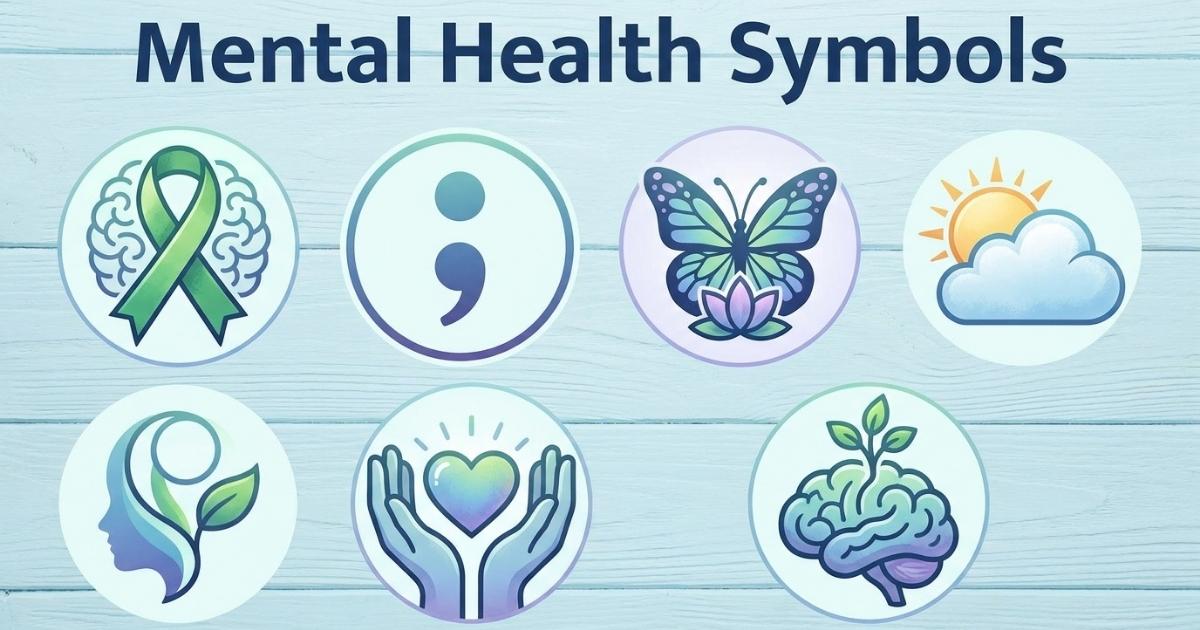

Mental health symbols carry silent but powerful messages of hope, awareness, and healing. They help people express feelings that are sometimes hard to say out loud.
From ribbons to butterflies, these symbols have become tools for advocacy, remembrance, and personal growth. Many people use them in tattoos, jewelry, and social posts to show support.
This guide explains the meaning behind popular mental health symbols. You will also learn about their history, cultural roots, and how to use them respectfully.
Whether you are searching for a tattoo idea or trying to understand awareness campaigns, this article covers everything in simple, clear language.
Mental Health Symbols and Meanings
Mental health symbols are visual signs that represent emotional wellbeing, struggle, and recovery. Each symbol tells a story without needing any words.
These symbols are used worldwide in campaigns, artwork, and personal expression. They create a shared language that connects people going through similar experiences.
Below is a quick reference table of common mental health symbols and what they represent.
| Symbol | Meaning |
| Green Ribbon | General mental health awareness |
| Semicolon | Continuing life after a difficult chapter |
| Butterfly | Transformation and recovery |
| Lotus Flower | Rising above struggle with grace |
| Infinity Loop | Ongoing journey of mental wellness |
| Puzzle Piece | Autism and neurodiversity awareness |
| Heart with Ribbon | Compassion and emotional support |
Each symbol can mean something slightly different depending on the person wearing or sharing it. Personal context always adds deeper meaning.
Symbols also make mental health topics easier to discuss in public spaces. A small pin or bracelet can open a conversation without any pressure.
Many schools, hospitals, and workplaces now display these symbols on posters and materials. This visibility helps normalize mental health as part of everyday wellness.
Understanding a symbol’s origin also helps avoid using it out of context. Respecting the history behind each design keeps its message meaningful and genuine.
See Also: Bracket Symbols
Mental Health Awareness Symbols
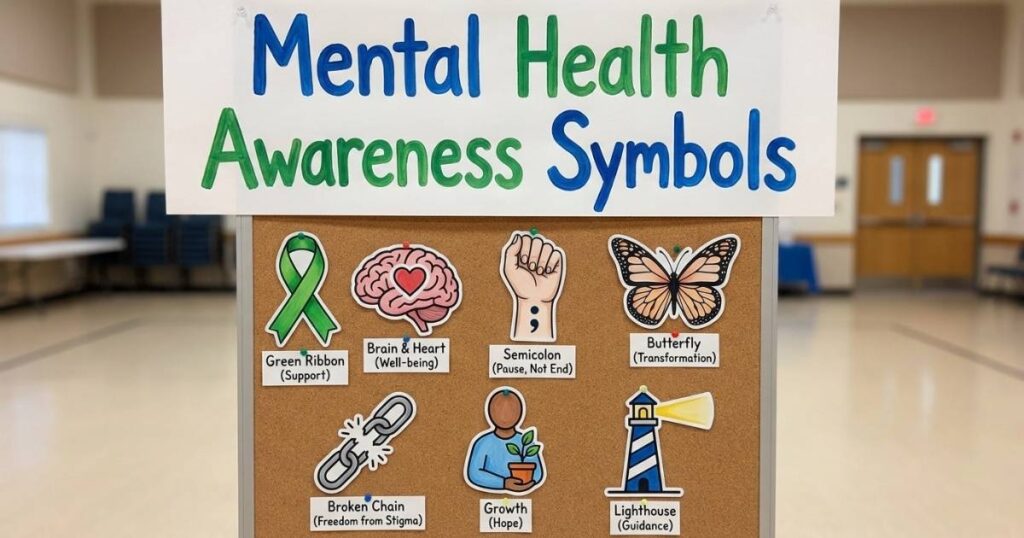
Awareness symbols are designed to start conversations and reduce stigma around mental illness. They are often used during awareness months and campaigns.
The green ribbon is the most recognized global symbol for mental health awareness. It is worn in May during Mental Health Awareness Month.
Other awareness symbols include specific ribbon colors tied to particular conditions.
- Purple ribbon: suicide prevention awareness
- Teal ribbon: anxiety awareness
- Gray ribbon: mental illness support
- Yellow ribbon: suicide prevention and hope
These symbols appear on pins, clothing, and social media graphics. Organizations use them to unify supporters under one visual identity.
Wearing an awareness symbol is a small but meaningful way to show solidarity. It signals that you support open conversations about mental health.
Nonprofits and advocacy groups often distribute these symbols during walks, fundraisers, and school events. This helps spread awareness beyond social media alone.
Businesses have also started including awareness symbols in workplace wellness programs. This shows employees that mental health support is a genuine priority.
Choosing the right awareness symbol depends on the specific cause you want to highlight. Matching the color or design to the correct campaign avoids confusion.
Symbols of Mental Health Recovery
Recovery symbols represent the journey from struggle toward healing and stability. They focus on growth rather than the illness itself.
The butterfly is widely used because it represents transformation. It moves from a difficult stage into something new and beautiful.
The lotus flower carries a similar meaning rooted in ancient tradition. It grows through mud yet blooms clean and beautiful above water.
Recovery symbols are popular in these formats:
- Tattoos marking a personal milestone
- Jewelry given as gifts of encouragement
- Artwork shared in recovery communities
- Journals and planners for mental wellness tracking
These symbols remind people that healing is not instant but ongoing. They celebrate progress instead of perfection.
Support groups often use recovery symbols as part of group identity. Members may wear matching pins or bracelets during meetings and events.
Some therapists encourage clients to choose a personal recovery symbol early in treatment. This gives them a visual anchor to return to during tough moments.
Recovery symbols can also change meaning over time as a person grows. What once represented survival can later represent strength and confidence.
Mental Health Symbol Emoji
Emojis have become a quick and modern way to express mental health awareness online. They are simple, universal, and easy to share.
Common emojis linked to mental health topics include the green heart, semicolon text, and lotus flower emoji. People use these in captions and bios.
| Emoji | Common Meaning |
| 💚 | Mental health support |
| 🦋 | Personal transformation |
| 🌸 | Growth and healing |
| ♾️ | Ongoing mental wellness journey |
| 🧠 | Mental health and brain wellness |
Emojis make it easier for younger audiences to talk about mental health casually. They lower the barrier to starting a real conversation.
Using these emojis in social captions can help build supportive online communities. They also help people find others with similar experiences.
Mental health influencers frequently use these emojis in captions to signal safe content. This helps followers know a post discusses wellness topics respectfully.
Emojis also appear in support hashtags across platforms like Instagram and TikTok. This makes it easier to find and join relevant mental health conversations.
Because emojis update across devices, it helps to preview how they appear before posting. This ensures the intended meaning is not lost in translation.
See Also: Green Heart Emojis & Symbols
Mental Health Symbols Copy Paste
Many users search for ready to use mental health symbols they can copy directly. This saves time when writing posts, bios, or messages.
Below are simple copy paste symbols commonly linked to mental health themes.
- ♾ Infinity symbol
- 🦋 Butterfly symbol
- 💚 Green heart
- 🌸 Blossom symbol
- ; Semicolon
- 🕊 Dove symbol
These symbols work across most social platforms including Instagram, TikTok, and Twitter. They render the same way on most devices.
Copy paste symbols are useful for quick awareness posts. They also work well in usernames or profile bios to show support silently.
Some people combine multiple symbols together to create a personal signature. For example, a butterfly paired with a green heart can express both growth and support.
These symbols are also handy for greeting cards or messages to friends going through hard times. A simple symbol can say more than a long paragraph.
Keep in mind that symbol rendering can vary slightly across apps and operating systems. Testing how a symbol looks before sharing it publicly is always a good idea.
Mental Health Symbols Tattoos
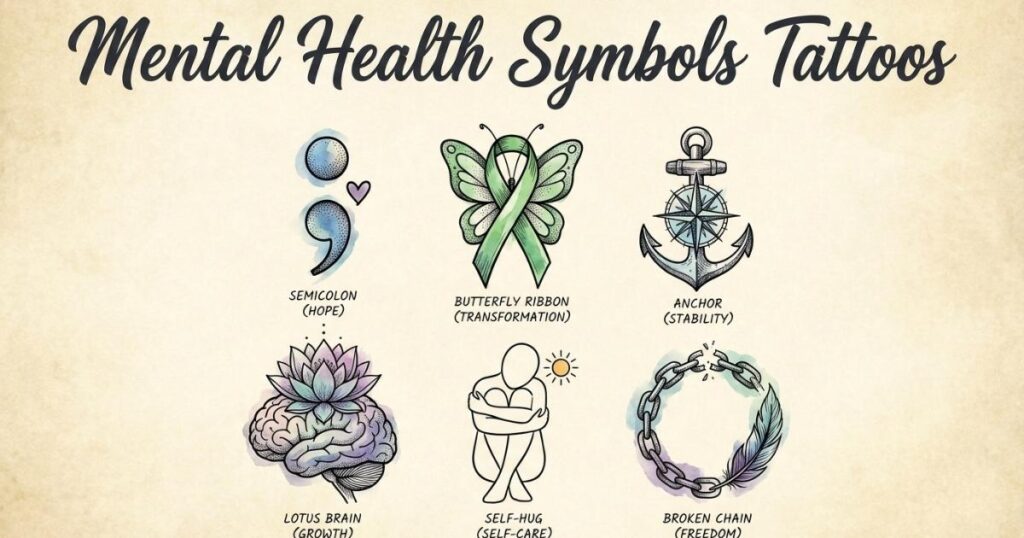
Mental health tattoos are a permanent way to express personal struggle, survival, and healing. Many people choose them to mark a turning point in life.
The semicolon tattoo remains one of the most popular choices worldwide. It represents choosing to continue when a story could have ended.
Other popular tattoo choices include small and meaningful designs.
- Semicolon paired with a heart
- Butterfly with subtle line art
- Lotus flower in minimalist style
- Infinity symbol with a name or date
Placement often matters as much as the design itself. Wrists, forearms, and behind the ear are common spots for visibility and meaning.
Before getting a tattoo, it helps to research the symbol’s full meaning. This ensures the design truly reflects your personal journey.
Many tattoo artists now specialize in mental health themed designs. It is worth looking at their portfolio to see how they handle delicate, symbolic work.
Some people choose matching tattoos with a friend or family member who supported their recovery. This creates a shared symbol of connection and encouragement.
It also helps to consider how a tattoo will age over time. Simple line designs tend to hold their shape and meaning better than intricate details.
Mental Health Tattoos
Beyond symbols, many people choose broader tattoo designs to represent their mental health story. These tattoos often combine multiple elements together.
Common combinations include a semicolon merged with a butterfly wing. This blends the idea of continuing life with transformation and growth.
Word based tattoos are also popular for mental health representation.
- Short phrases like “breathe” or “still here”
- Personal dates marking recovery milestones
- Names of loved ones lost to suicide
- Quotes that reflect resilience
These tattoos often serve as daily reminders during difficult moments. They can offer strength simply by being visible on the skin.
Mental health tattoos are deeply personal and never one size fits all. The best design is one that feels authentic to your own experience.
Some people prefer hidden tattoo placements that only they know the meaning of. This keeps the message private while still serving as a personal reminder.
Others choose visible placements specifically to spark conversation with strangers. This can help reduce stigma by normalizing open talk about mental health struggles.
Whatever the choice, mental health tattoos often carry more emotional weight than typical body art. They usually represent a real turning point in someone’s life.
Ancient Mental Health Symbols
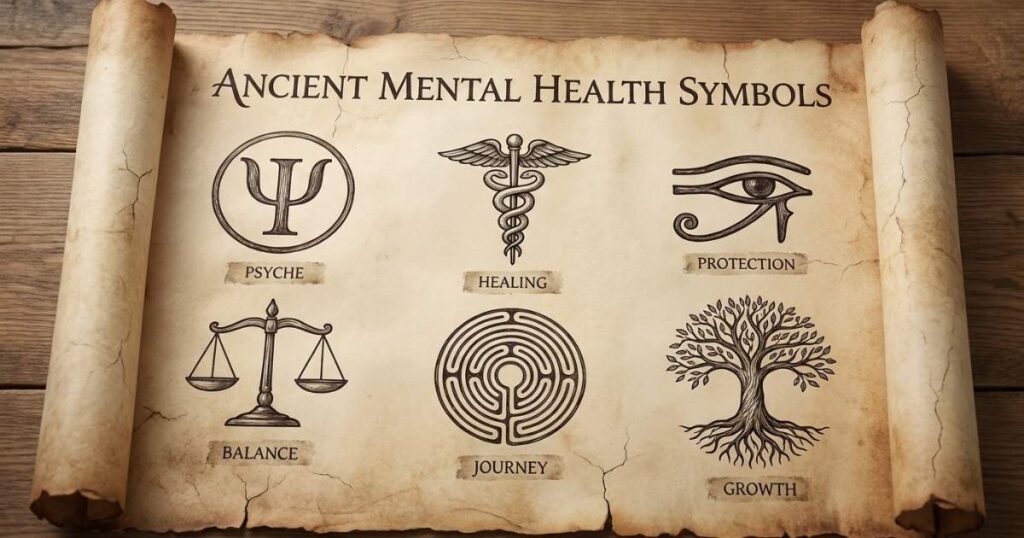
Ancient cultures often represented emotional and mental balance through nature and spiritual symbols. These early symbols still influence modern designs today.
In ancient Egypt, the scarab beetle symbolized transformation and rebirth. It reflected the idea of renewal after hardship, similar to modern recovery symbols.
Other ancient symbols with mental wellness connections include the following.
- Yin and Yang: balance between opposing forces
- Ankh: life, vitality, and inner strength
- Tree of Life: growth, stability, and connection
- Om symbol: inner peace and spiritual balance
These symbols were not originally created for mental health awareness. However, their meanings naturally align with themes of balance and healing.
Modern mental health advocates often borrow ancient symbols because their meanings still resonate today.
In ancient Greece, philosophers linked emotional balance to the idea of harmony within the mind and body. This early thinking influenced later concepts of psychological wellbeing.
Ancient Chinese medicine also connected mental wellness to balance, represented through the Yin and Yang symbol. This idea of opposing forces working together still appears in modern therapy language.
These historical roots show that concern for mental wellbeing is not a new idea. Ancient symbols simply gave early cultures a way to express what science now studies in depth.
Spiritual Mental Health Symbols
Spiritual symbols focus on inner peace, mindfulness, and emotional balance. Many people use them alongside therapy or meditation practices.
The lotus flower is one of the most widely used spiritual symbols for mental wellness. It represents rising above struggle while staying rooted.
Other spiritual symbols connected to mental health include the following list.
- Om symbol for meditation and calmness
- Mandala for focus and mental clarity
- Hamsa hand for protection and peace
- Feather for lightness and letting go
These symbols are often used in jewelry, wall art, and meditation spaces. They serve as gentle daily reminders to slow down and breathe.
Spiritual symbols do not replace professional care but can support emotional wellbeing. Many people find comfort in combining both approaches.
Meditation apps and wellness centers often use these spiritual symbols in their branding. This helps create a calm and welcoming visual environment for users.
Some people incorporate spiritual symbols into daily rituals like journaling or breathing exercises. Repeating a symbol’s meaning can reinforce a sense of calm over time.
These symbols work well for people who prefer a quiet, personal approach to mental wellness. They offer comfort without requiring public disclosure of personal struggles.
Mental Health Symbols for Anxiety
Anxiety specific symbols often focus on grounding, calmness, and steady breathing. They help remind individuals to pause during overwhelming moments.
The teal ribbon is the official awareness color for anxiety disorders. It is used in campaigns and events focused on anxiety education.
Other symbols associated with anxiety relief include the following.
- Wave symbol: representing calming breath
- Anchor: staying grounded during panic
- Infinity loop: ongoing management of anxiety
- Feather: lightness and release of tension
These symbols are often paired with grounding techniques like deep breathing. Wearing them can serve as a quiet coping reminder throughout the day.
Anxiety symbols are especially popular in jewelry because they can be touched or held. This adds a physical grounding element to emotional support.
Fidget style jewelry featuring these symbols has become increasingly popular for anxiety management. Spinning rings or textured bracelets combine symbolism with sensory relief.
Some therapists suggest pairing a symbol with a grounding phrase for stronger effect. For example, touching an anchor charm while repeating a calming statement.
These small physical habits can help interrupt anxious thought patterns in the moment. Symbols act as a bridge between mental focus and physical action.
Mental Health Symbols for Depression
Depression related symbols often represent light emerging from darkness. They focus on hope even during the hardest emotional periods.
The semicolon symbol is strongly linked to depression and suicide prevention awareness. It reflects choosing to keep going rather than ending the sentence.
Other symbols connected to depression awareness include the following.
- Green ribbon: general mental health support
- Sunrise symbol: hope after darkness
- Butterfly: change and emotional growth
- Candle: light during difficult times
These symbols are commonly used in memorial tattoos and awareness campaigns. They help honor personal struggles while spreading hope to others.
Depression symbols remind people that difficult emotions are temporary. They encourage seeking support rather than facing challenges alone.
Memorial events for suicide loss survivors often feature these symbols prominently. Candles, ribbons, and semicolons are commonly used during remembrance walks.
Families sometimes choose a shared symbol to honor a loved one lost to depression or suicide. This creates a lasting tribute that keeps their memory present.
These symbols also appear in support group materials and crisis resource pamphlets. They help create a sense of shared understanding among people facing similar battles.
Mental Health Symbols for Healing
Healing symbols represent the ongoing process of recovery rather than a finished result. They focus on progress, patience, and self-compassion.
The lotus flower is often used specifically for healing journeys. Its growth through mud reflects overcoming pain to reach clarity.
Other healing focused symbols include the following list.
- Phoenix: rising again after hardship
- Tree with roots: stability during change
- Sun symbol: renewed energy and clarity
- Open hands: acceptance and self-care
These symbols are popular in therapy journals and self-care spaces. They serve as visual affirmations during the healing process.
Healing is rarely linear, and these symbols reflect that reality. They celebrate small steps rather than expecting instant transformation.
Art therapists often ask clients to draw or choose a symbol that represents their healing. This exercise can reveal emotions that are difficult to express in words.
Healing symbols also appear frequently in home decor for personal wellness spaces. A wall print or candle featuring a lotus flower can set a calming daily tone.
Over time, these symbols can shift from representing pain to representing pride. This evolution mirrors the personal growth that happens during real recovery.
Positive Mental Health Symbols
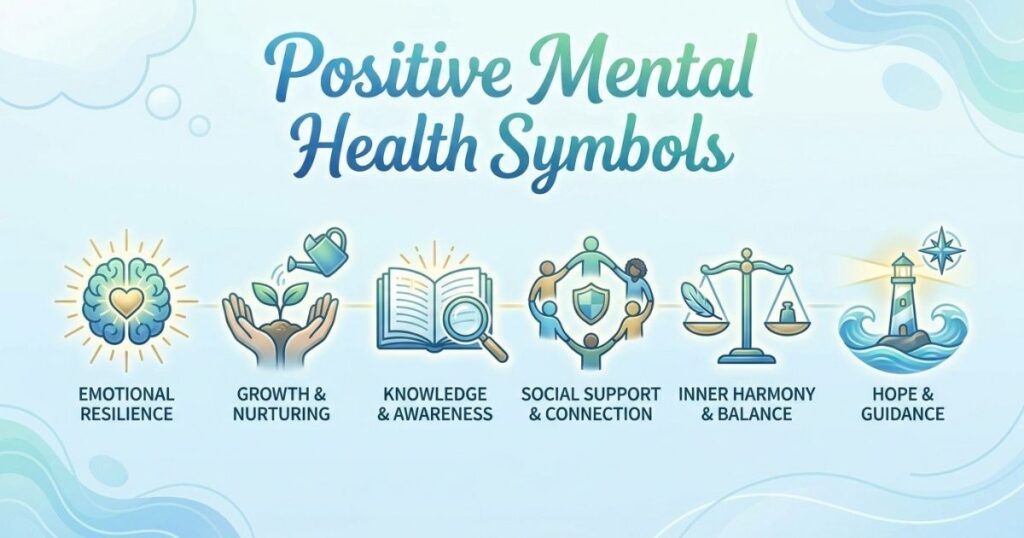
Positive symbols focus on joy, balance, and everyday emotional wellness. They are not tied to a specific struggle but represent overall wellbeing.
The smiling sun is a simple and widely recognized symbol of positivity. It represents warmth, energy, and a hopeful outlook on life.
Other positive mental health symbols include the following.
- Rainbow: hope and diversity of emotions
- Heart symbol: self-love and compassion
- Green leaf: growth and renewal
- Open door: new beginnings and opportunities
These symbols are often used in wellness apps, journals, and social campaigns. They promote a proactive approach to mental health rather than only crisis response.
Positive symbols remind people that mental health includes joy, not just recovery from illness. Everyday wellness deserves just as much attention.
Companies increasingly use positive symbols in employee wellness campaigns and internal communications. This helps build a culture where mental health is discussed openly and proactively.
Parents also use simple positive symbols to teach children about emotional wellbeing early on. A smiling sun sticker chart, for example, can encourage healthy daily habits.
These symbols work well because they are approachable and free from stigma. They invite everyone, not just those facing a diagnosed condition, to think about mental wellness.
Mental Health Symbols in Different Cultures
Mental health symbols vary across cultures, but many share similar underlying themes. Balance, renewal, and connection appear repeatedly worldwide.
In Japanese culture, the Kintsugi practice of repairing broken pottery with gold symbolizes embracing imperfection. It reflects the idea that scars can become part of one’s beauty.
Here is a quick look at cultural symbols tied to mental wellness themes.
| Culture | Symbol | Meaning |
| Japanese | Kintsugi | Healing and embracing imperfection |
| Indian | Lotus Flower | Purity and rising above struggle |
| Egyptian | Scarab Beetle | Transformation and rebirth |
| Native American | Dreamcatcher | Protection and peace of mind |
| Celtic | Triskelion | Balance of mind, body, and spirit |
These cultural symbols show that mental wellness has always mattered globally. Modern awareness movements often draw inspiration from these traditional roots.
Understanding cultural symbols helps use them respectfully and meaningfully. It also connects modern mental health advocacy to deeper historical roots.
African traditions often use drumming and communal rituals to represent emotional release and healing. While not a single visual symbol, this practice reflects a similar wellness philosophy.
In many Western cultures, the color green has become closely tied to mental health awareness overall. This is why the green ribbon remains the dominant global symbol today.
Comparing these cultural approaches shows that mental wellness has always been valued across humanity. Modern symbols simply continue a tradition that spans centuries and continents.
Mental Health Symbols in Art and Jewelry
Art and jewelry are popular mediums for expressing mental health symbols daily. They allow people to carry meaning close without saying a word.
Necklaces with semicolon pendants are especially popular for suicide prevention awareness. They are often gifted between friends as a sign of support.
Common mental health themed jewelry and art pieces include the following list.
- Butterfly bracelets for transformation
- Lotus flower rings for growth
- Infinity necklaces for ongoing wellness
- Wall art with calming mandala designs
These items serve as gentle reminders during difficult days. They can also spark meaningful conversations with others who notice them.
Mental health art and jewelry are growing industries built on emotional connection. Many small businesses design these pieces based on personal recovery stories.
Galleries and community centers have also started hosting mental health themed art exhibitions. These events allow artists to share personal stories through symbolic visual work.
Buying handmade jewelry from mental health focused small businesses often supports a meaningful cause. Many brands donate a portion of profits to mental health charities.
Whether through a painting, a necklace, or a simple sketch, symbolic art gives people a creative outlet. It transforms private emotions into something visible and shareable.
FAQ’s
What is the main symbol for mental health awareness?
The green ribbon is the most widely recognized symbol for mental health awareness. It is used globally during awareness campaigns and events.
What does the semicolon symbol mean in mental health?
The semicolon represents choosing to continue life instead of ending it. It is strongly linked to suicide prevention and depression awareness.
Which color ribbon represents anxiety awareness?
Teal is the official ribbon color used to represent anxiety disorder awareness. It is commonly seen in campaigns and support materials.
What does a butterfly symbolize in mental health recovery?
The butterfly represents transformation and personal growth after hardship. It reflects moving from struggle into a new, stronger stage of life.
Are mental health symbols used in tattoos?
Yes, symbols like semicolons, butterflies, and lotus flowers are common tattoo choices. They mark personal recovery milestones or honor loved ones.
What is the spiritual symbol most linked to mental peace?
The lotus flower is widely used for spiritual mental peace and healing. It represents rising above difficulty while staying calm and rooted.
Can mental health symbols replace professional treatment?
No, symbols offer emotional comfort but do not replace therapy or medical care. They work best alongside professional mental health support.
Final Thoughts
Mental health symbols carry deep meaning that words alone cannot always express. They connect people across cultures, generations, and personal experiences.
From ancient traditions to modern tattoos and emojis, these symbols continue to evolve. Yet their core message stays the same: hope, healing, and support.
Whether you choose a symbol for jewelry, art, or personal reflection, let it reflect your own story. True meaning always comes from the person wearing it.
If you or someone you know is struggling, remember that symbols are a starting point, not a solution. Reaching out to a mental health professional or trusted support line remains the most important step toward healing.
Explore More Symbols

Hi, I’m Ethan Brooks, the admin of SymbolHubz.com. Passionate about symbols, emojis, kaomojis, and text art, helping users discover creative ways to express themselves online.